
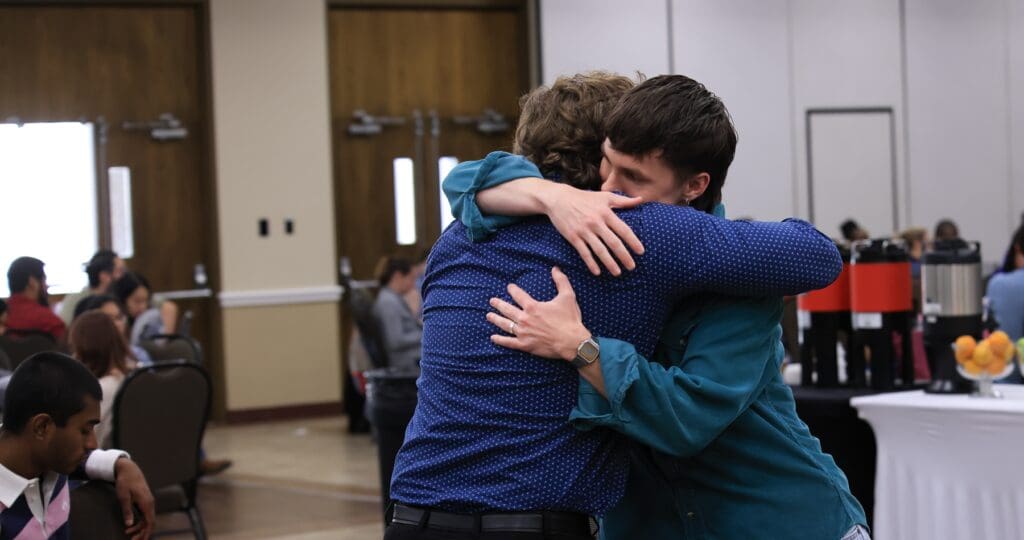
Much has been written over the past couple of years about loneliness in America.
One of the most notable documents on the subject is the 2023 Surgeon General’s 82-page report entitled, “Our Epidemic of Loneliness and Isolation.” The subtitle of that advisory is “the Healing Effects of Social Connection and Community.”
The Surgeon General’s report describes loneliness as feeling isolated, invisible, and insignificant. I have to shoulder all of life’s burdens by myself. If I disappear tomorrow, no one will even notice. We can all appreciate the sentiment, whether we’re feeling it now or not.
Social connection is a fundamental human need. It’s as essential to our survival as food and shelter. Chronic isolation and loneliness increase the risk of anxiety, depression, and dementia. Warm relationships foster health and happiness.
In contrast to Eastern culture, which promotes community and strong relational connection, Western culture tends to value individualism and a strong work ethic. That means we must be more intentional about cultivating closeness.
The global pandemic exaggerated loneliness trends that were already spreading. In 2020, public health officials mandated “social distancing.” Isolation skyrocketed and engagement plummeted. To some degree, we haven’t fully recovered.
Technology can contribute to isolation and loneliness. Online has replaced in-person. It’s hard to notice the people around you when you’re staring at your screen. It’s easy to use your phone to avoid potentially awkward interactions.
Life is a series of choices. We’re constantly planning, performing, acting, and reacting throughout the day. We all have agency, capacity, and freedom to choose what we’ll do next. Small decisions can lead to big outcomes.
If you need more social connection, put your phone down and notice the people around you. Take the initiative. Risk a little awkward interaction. If you already have plenty of social connections, make yourself available to someone else.
Try to see others in all their fullness, not just snap assumptions. Matthew Lee, professor of Social Sciences and Humanities at Baylor University, shares this observation: “The other person doesn’t fully appear to you unless you love them.”
Recent Posts

Throughout history (and never more so than today) humans have embraced the mistaken idea that it’s all about them. They try to find happiness and meaning in life…

God is always up to something. That’s not really a secret – the Bible spells that out for us. God is up to nothing less than an all-encompassing…
1 Blessed is the one who does not walk in step with the wicked or stand in the way that sinners take or sit in the company of mockers,…


7 Now if the ministry that brought death, which was engraved in letters on stone, came with glory, so that the Israelites could not look steadily at the face…